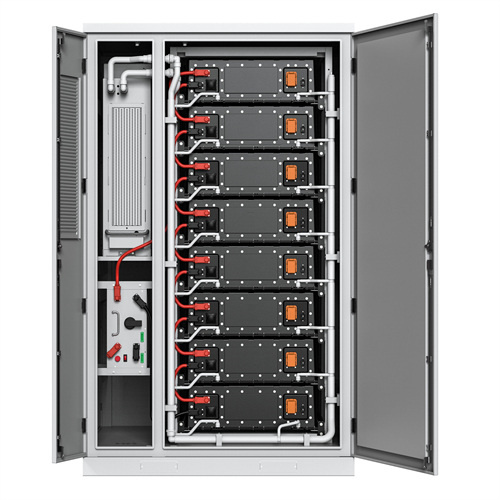
Composite Toe vs Steel Toe Safety Shoes: Which is Better?
Cost-Effective: Typically, steel toe shoes are more affordable than their composite counterparts. Long-Lasting: Steel toe caps are less likely to degrade over time compared to
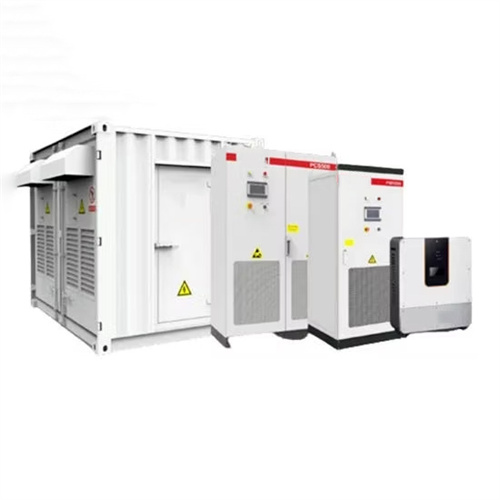
Composite Steel Laser Processing Center: One Machine to Rule
Done in 20 minutes (vs. 1.5+ hours with separate machines). Labor Costs Cut by 70%: One operator runs the entire process—no team needed to lift, flip, or transfer heavy composite steel.
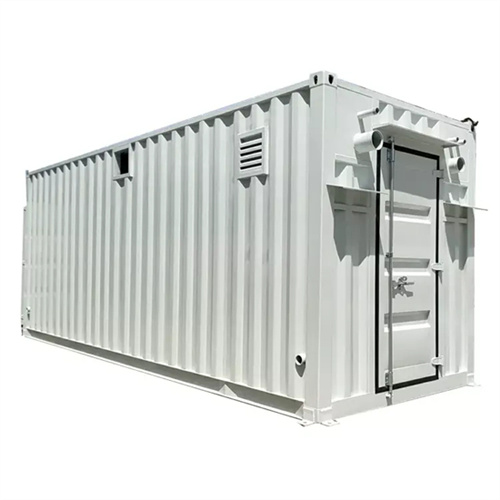
Composites vs steel and aluminum
Steel is denser than FRP, so a steel structure would weigh up to 35 percent more and requires more maintenance. A fiberglass part will be about 10 times less costly than a carbon part. Cost
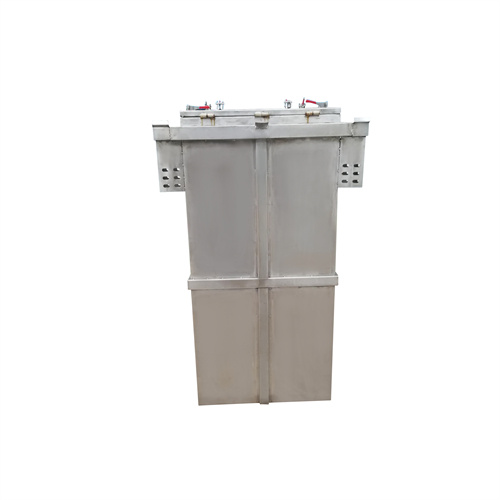
What Materials are Used to Build Kiosks
Aluminum composite panels are an excellent choice for mall kiosks, as they are significantly lighter than fiberglass or stainless steel. Due to their internal stress system, these materials
Composite vs. Steel Toe Shoes: Key Differences, Pros & Cons
Composite shoes may offer better insulation in cold weather due to their material properties. Steel toe shoes can feel colder in frigid temperatures since metal transfers heat